From Writing for Kenia Os to His Debut Album: Andry Kiddos Is the Future of Latin Alt-Pop

By Lucas Villa / October 16, 2026

A key, often-hidden figure in Latin pop over the past decade is ready to step into the spotlight. After co-writing hits for superstars like Kenia Os, Aitana, and Joaquina, Andry Kiddos has found his calling as the future of Latin alt-pop. At the same time, the rising singer-songwriter and producer has crafted a global yet vulnerable sound shaped by his experience as part of the Venezuelan diaspora. Constantly on the move and singing about the disconnection that can come with those circumstances is what makes Kiddos’ music connect more than ever.

Since 2020, Kiddos has lived a double life as a singer and songwriter. Leaning into the childlike wonder of his stage name, he first made an impact as an independent act with the bluesy “Son Tantas Cosas.” Through his reliable pen game as a songwriter for other artists, Kiddos gained more access, contacts, and credibility in the music industry, which led to him signing with Universal Music Latino a year later. After forming friendships during studio writing sessions, he collaborated with Os, Piso 21, Mau y Ricky, Mariah Angeliq, Cuco, Bratty, and more.

Last year marked a turning point for Kiddos as a burgeoning singer-songwriter. He received his first Latin Grammy nomination for co-writing Joaquina’s “No Llames Lo Mío Nuestro.” At the same time, Kiddos scored another breakthrough with the haunting “Asimilando,” which spoke to the nostalgia that overcomes Venezuelan exiles as they think about the homeland they left behind. Now Kiddos is going all in with his upcoming debut album. He keeps it real while pushing Latin alt-pop to new places with recent hits like “Por Como Me Cuidas” and “Los Mismos.”
Andry Kiddos
image credit: Joss Andreu
Andry Kiddos Fostered His Knack for Songwriting and Producing in Venezuela

Andry Kiddos was born Andry Leal in Maracaibo. When reggaeton and Latin pop ruled the charts in the 2000s, he remembers growing up with Wisin y Yandel, Don Omar, Reik, Camila, Maná, and Venezuelan legends Chino y Nacho. The proliferation of burned CDs in local flea markets also shaped that era in music. “My father really introduced me to music,” Kiddos recalls. “He was always bringing us those bootleg CDs, like the ‘Best of 2005′ compilations, and my brother and I would blast them at full volume.”

Learning to create his own burned CD mixes on the home computer sparked Kiddos’ curiosity about music. Soon after, he downloaded FL Studio to see how else he could manipulate and remix the music he was listening to. “As soon as I had the tools to do something creative with music, I did,” Kiddos says. “I started watching YouTube tutorials and producing and making my own beats.” At 14, Kiddos learned how to recreate the beats behind songs like Daddy Yankee’s “Gasolina.” With the ability to remake songs, he was soon encouraged and contracted in Venezuela to create original beats for other people’s songs. Kiddos remembers one client telling him, “Bro, you’ve got the creativity to make your own beats—beats that will stand the test of time.”

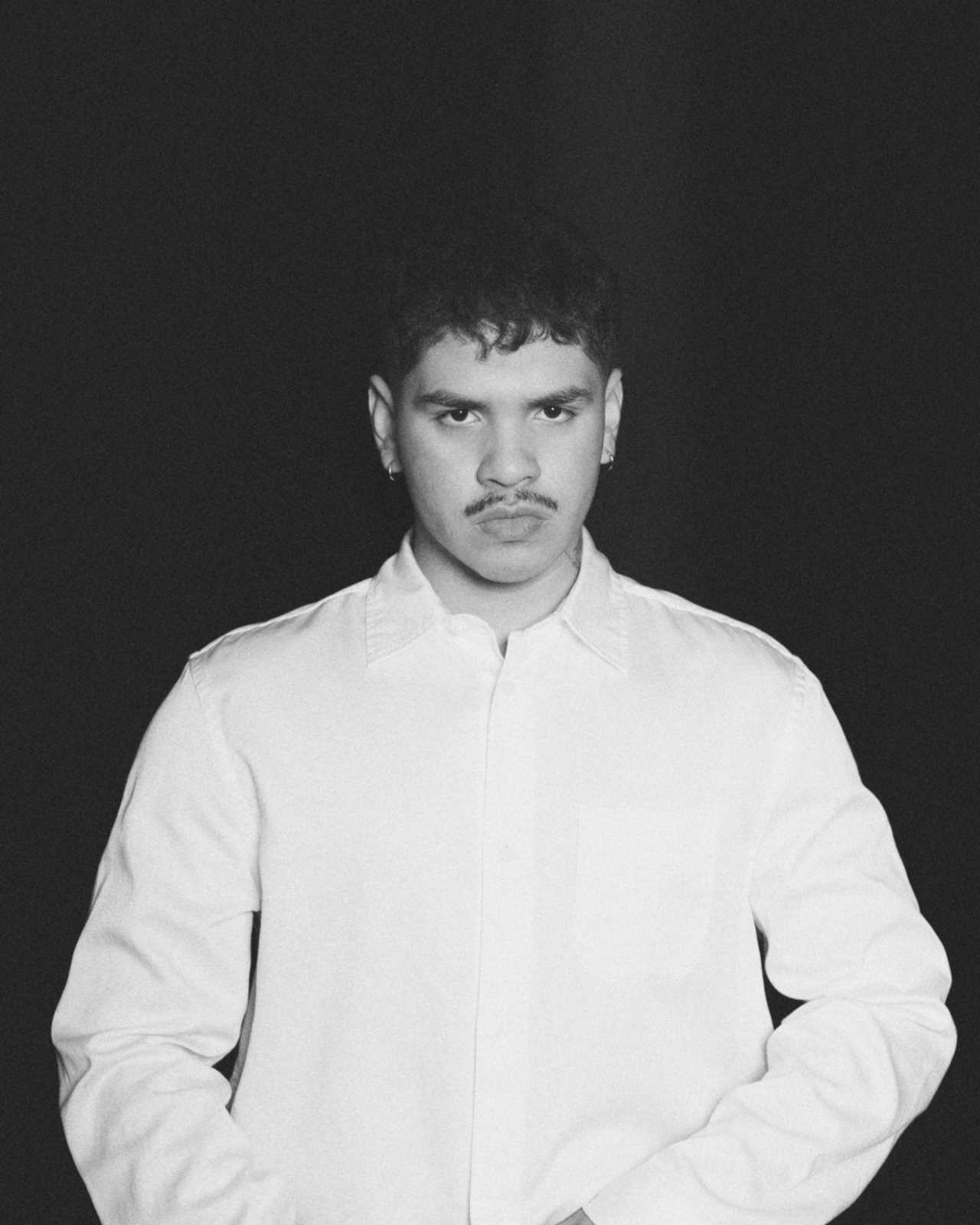
Promotional image of Andry Kiddos. The background is black. The image is black and white. He is standing and wearing a long-sleeve white button-down shirt.

image credit: Joss Andreu

The “Tough” Choice to Leave Venezuela and Spread His Wings as a Songwriter

With Venezuela in the middle of economic collapse, Kiddos knew it wasn’t feasible to keep growing his music career there. He also realized that moving to Medellín, Colombia, with a group of friends meant leaving his loved ones behind. “The resources were just too limited, especially in Maracaibo, where I’m from,” Kiddos says. “There was no electricity. I couldn’t make music anymore. It was impossible. There was simply no way forward. It was a really hard decision for me, mostly because of my family. It was one of the toughest decisions I’ve ever made in my entire life.”

After relocating to Medellín, Kiddos became in demand for his writing and producing skills, which pulled him in different directions around the world. He later briefly moved to Mazatlán in the Mexican state of Sinaloa, where he befriended and wrote for Kenia Os and then traveled to Madrid and Miami. “Everything started to make sense and took a really beautiful turn,” Kiddos says about his migration after leaving Venezuela. While getting to know and writing for artists in those countries, he also absorbed the different cultures and genres that would shape his own sound. “Being in different places and getting to know different cultures, languages, and expressions nourishes me,” Kiddos says. “I try to capture a bit of the feeling of each place and the people in every place where I live [in my music].”

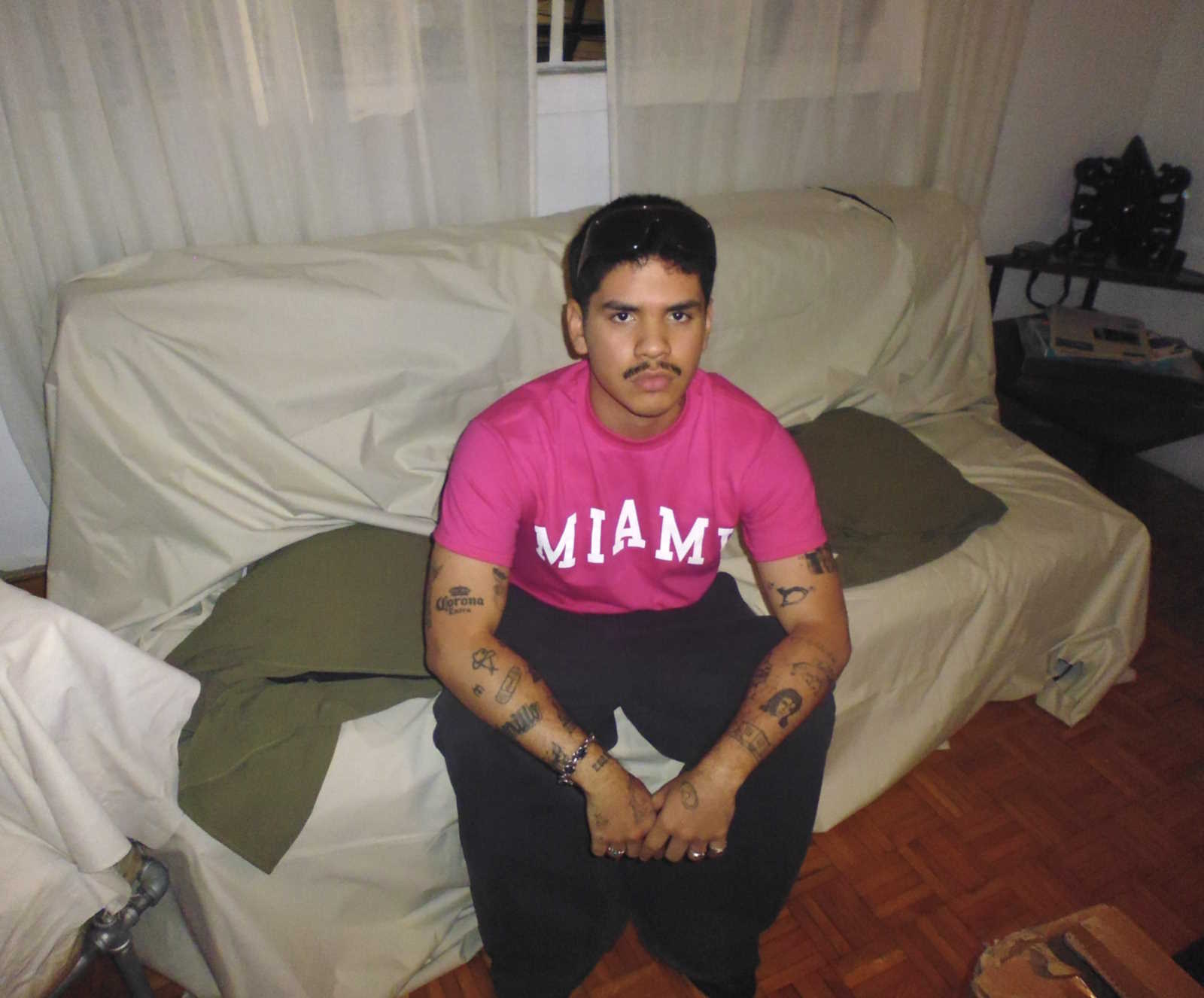
Promotional image of Andry Kiddos. He is sitting. He is wearing a pink shirt with the word MIAMI.

image credit: Joss Andreu

How Writing for Other Singers Opened Andry Kiddos’ Mind as an Artist

Though Kiddos has written for artists across all genres, he is known for his work with Latin pop princesses like Os and Joaquina and Spanish superstar Aitana. After writing and producing hits for Os like “Me Dolió,” “Tsunami,” and “Tu Peor Pesadilla,” he helped her solidify her jump from influencer to one of Mexico’s top singers. Os also tapped Kiddos to feature on their collaboration “¿Qué Pasa?” Kiddos reveals that he’s currently writing music with Os for her next project. “I have a really special connection with her,” he says. “It goes beyond the artist dynamic. We’re close friends. I pitch whatever pops into my head about her sound, as if she were my soulmate. Really beautiful ideas come up. [They’re] things I wouldn’t necessarily do for myself but that are amazing. The idea of hearing those messages come through Kenia or any other female artist, I honestly love it.”

Writing songs for many of Latin music’s leading female voices has also helped Kiddos learn how to connect with people from all walks of life through his own songs. “I’m not an artist who writes from a place of, like, ‘Oh, I’m a guy, I’m straight,'” he adds. “I’m sort of right in the middle. I try to write in a way that everyone, men, women, boys, and girls, even my uncles, can relate to. I aim for [my music] to be very open. That means I understand music from different perspectives.”

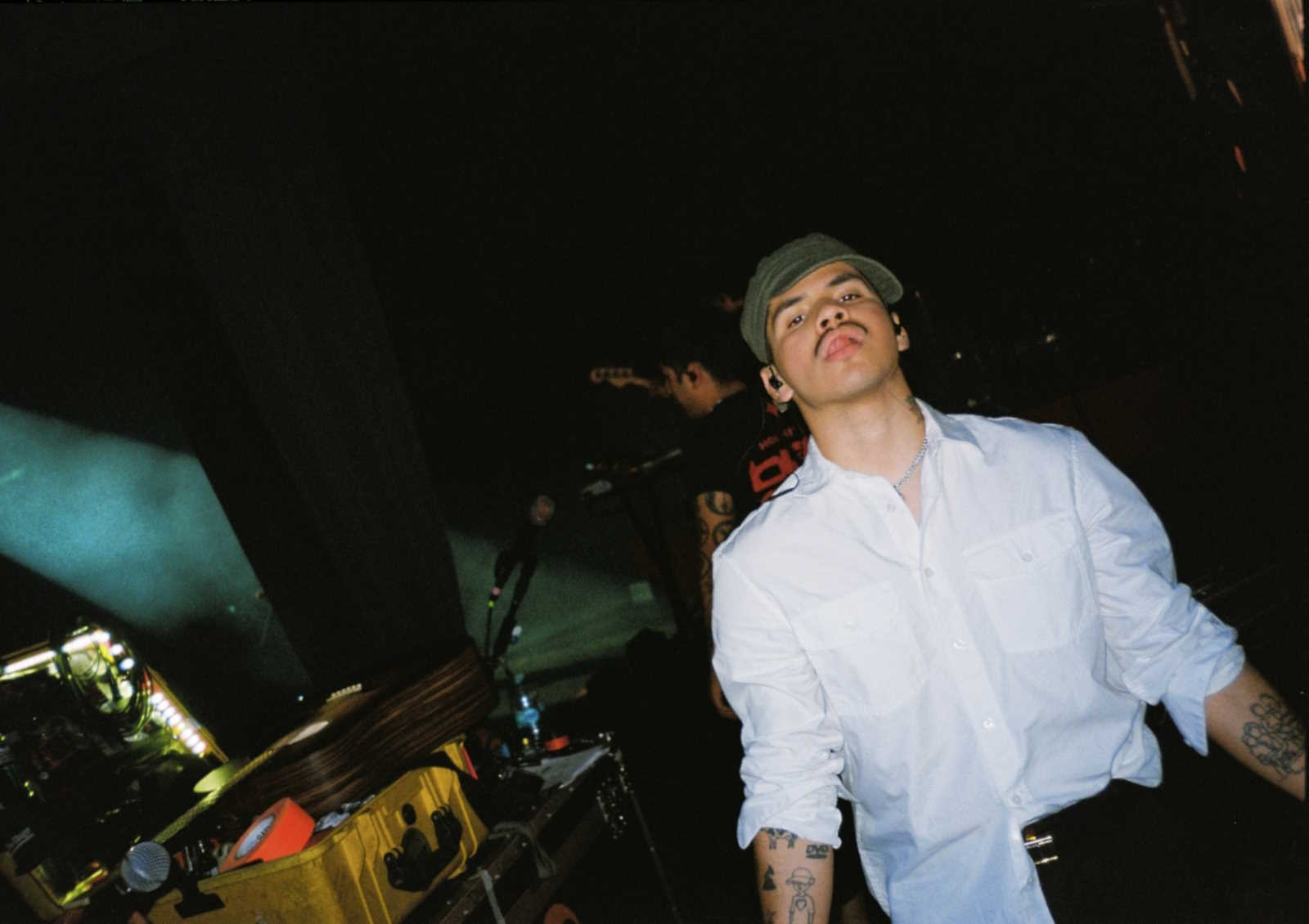
Promotional image of Andry Kiddos. The environment is dark, maybe a studio or nightclub. He is standing in front of what appears to be music or DJ equipment.

image credit: Joss Andreu

The “Cosas” Starting to Take Off in Andry Kiddos’ Own Music Career

As Kiddos gained traction as a songwriter and producer, he also started making waves as an artist in 2020 with his breakthrough single, “Son Tantas Cosas.” The genre-bending song, which has amassed over five million streams on Spotify, was a first taste of unique perspective as an artist.

Kiddos seamlessly blended elements of pop, blues, and reggaeton music. “That was my first song, and it literally opened up the world to me as an artist,” he reminisces. “It was the first track people heard from me. It really introduced what I was going to offer the world from that point on.”

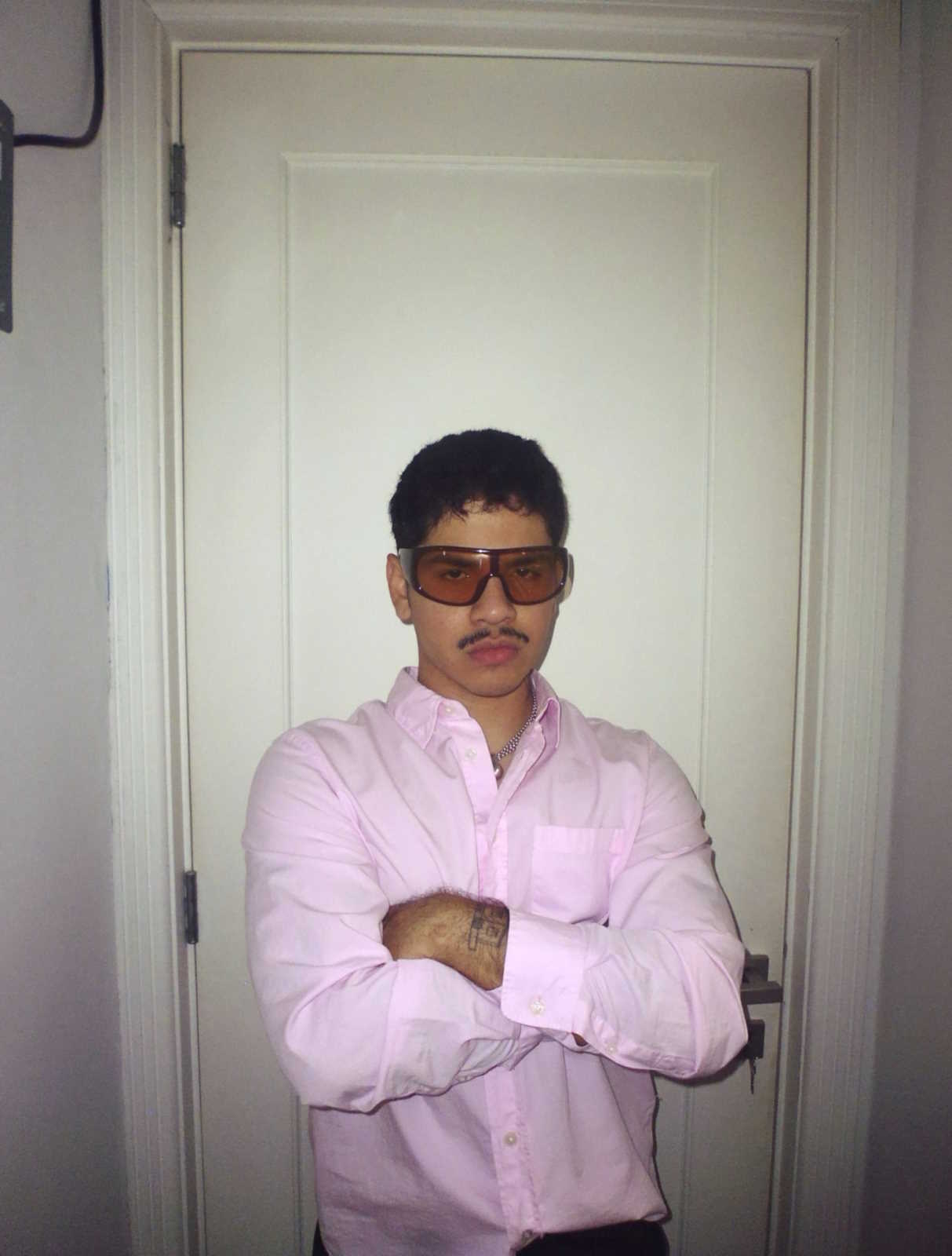
Promotional image of Andry Kiddos. He is standing in front of a white door. He is wearing a pink button-down shirt and large amber sunglasses.

image credit: Joss Andreu

Shining As Both a Singer and Songwriter

Last year, Kiddos earned his peers’ recognition at the Latin Recording Academy. He was nominated in the Best Pop/Rock Song category for co-writing “No Llames Lo Mío Nuestro” with fellow Venezuelan artist Joaquina. While the song didn’t win the award, Kiddos enjoyed the week he spent in Las Vegas leading up to the ceremony.

“The Grammy experience, being there with my friends, was something I really wanted to do,” he says. “I needed to experience it to feel the music differently. I’d obviously love to be nominated again as many times as God wills it, but I have a different perspective now.” Being surrounded by legends and singers he grew up listening to inspired Kiddos to build a lasting legacy. “I want to be one of those artists who, at some point in my life, if I’m still around, gets named Person of the Year. That’s what I’m really aiming for, more than just standing on a red carpet waving at people.”

Before the Latin Grammys, Kiddos dropped the most impactful single of his career, “Asimilando.” Kiddos revealed he’d kept the heartfelt folk-pop song for nearly four years before deciding to release it. In the deeply personal lyrics, he reflects on his journey since leaving Venezuela and the people that he left behind, like his father. “I only see him every two or three years because he lives in Venezuela, and obviously, I can’t go there very often,” Kiddos says. “I live with that nostalgia. I hear those songs we listened to together so differently. It’s because we’re at a different stage in life now. I’m an adult now, and I understand the situations he was going through and what I witnessed at home back then. I wish I could just hug my dad and say, ‘I understand.'”

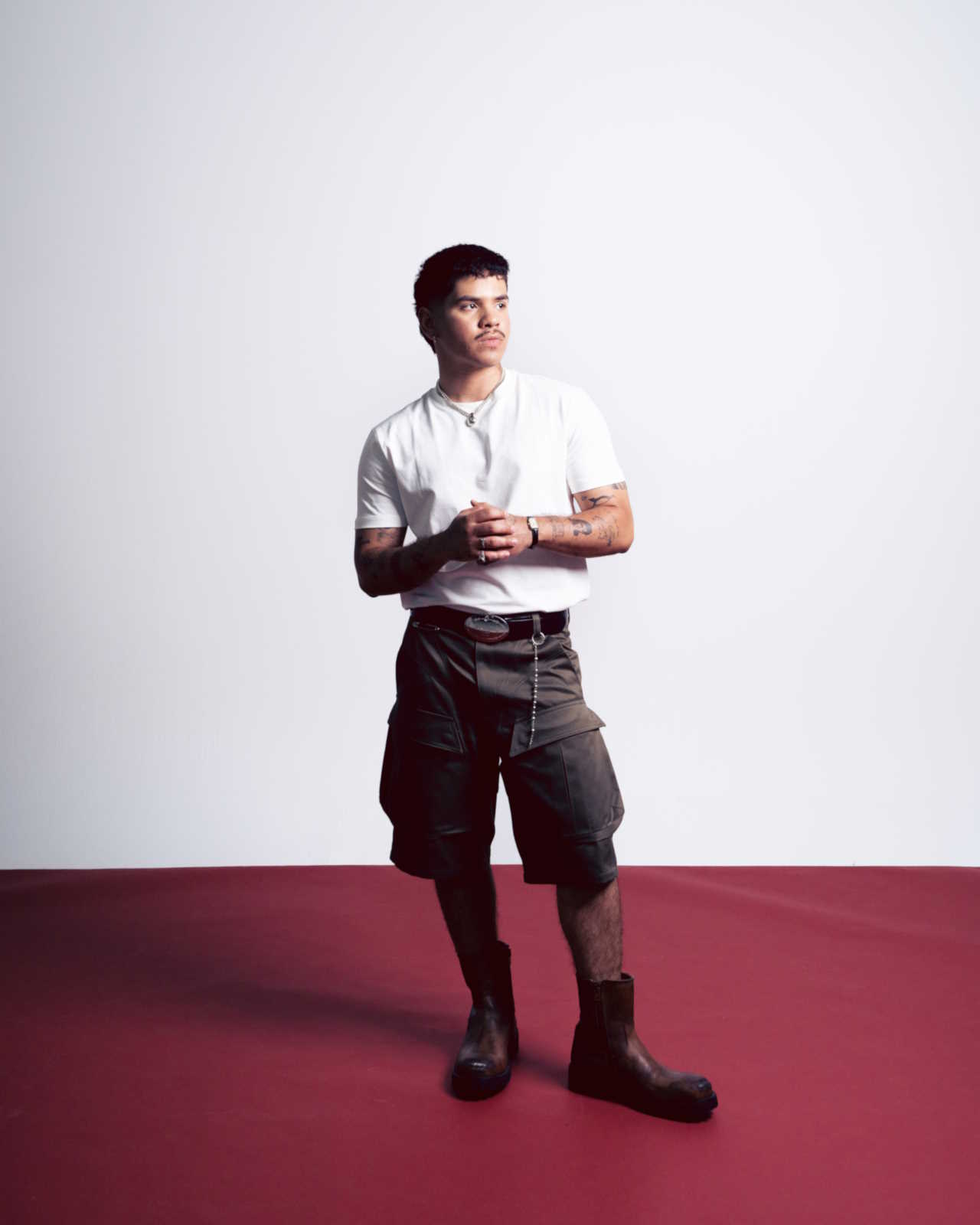
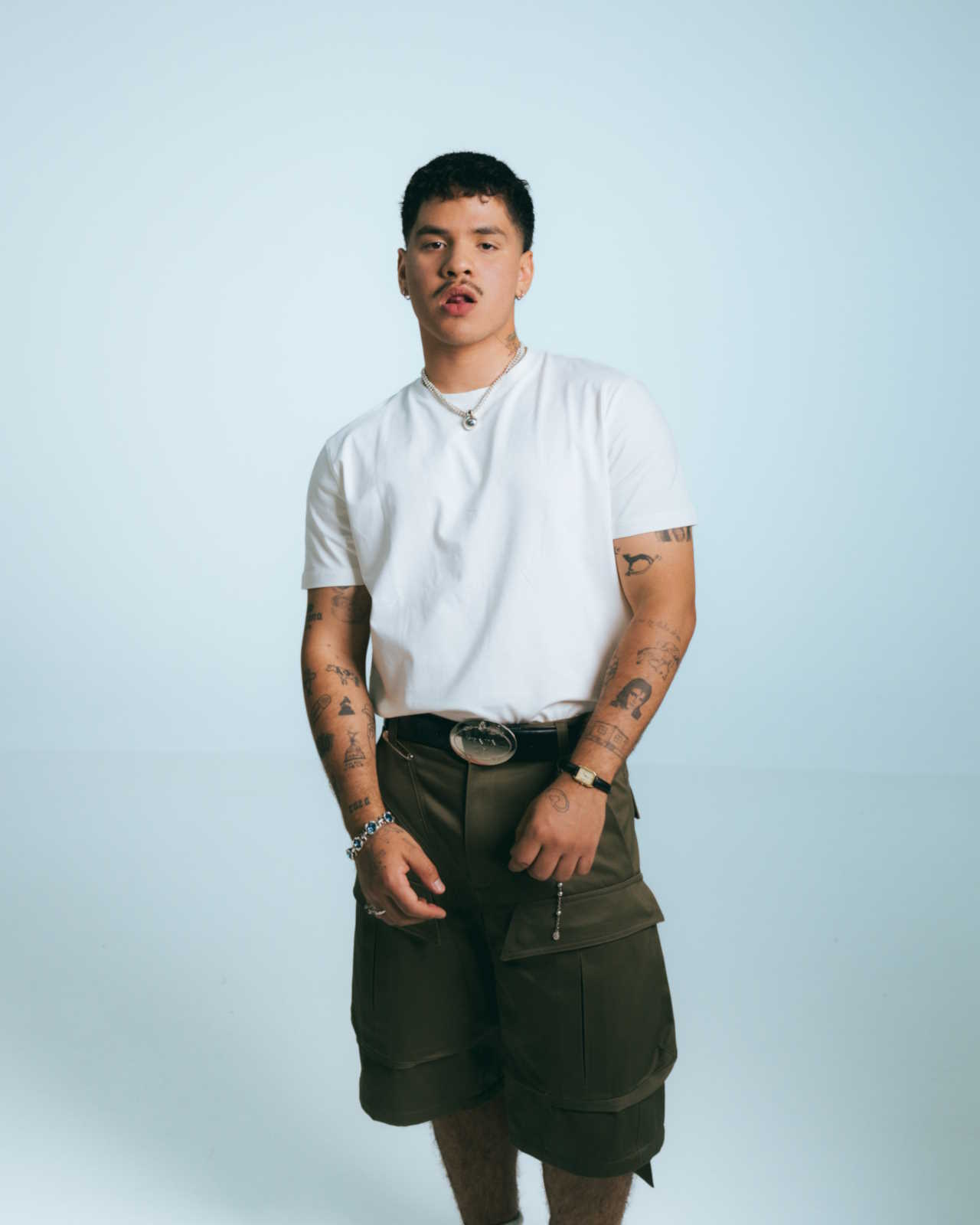
Promotional image of Andry Kiddos. He is stanging in front of a white wall and on a dark red floor that appears to be covered in a smooth cloth. He is wearing a white t-shirt and olive green cargo shorts.

image credit: Joss Andreu

How His Debut Album is Coming Together

Now, at 26, Kiddos has continued to embrace vulnerability on his upcoming album. Many of the singles from the LP so far reflect Kiddos’ reality of moving through many countries and coming in and out of people’s lives. The dreamy “Delorean” wishes for the time machine from “Back to the Future” to relive the past. Kiddos hits his stride as a sentimental Latin heartthrob with the funky “Por Como Me Cuidas,” about feeling emotionally distant.

“Going from place to place and having to leave locations and friends behind because I feel a physical need to move or because the music demands it, there’s that underlying fear of losing my friends, the people who care about me, and the people I love, just because I have to leave,” he admits. “One of my biggest struggles these past few years has been trying to ensure that, no matter how far away I am from my people, our bond stays exactly the same.”

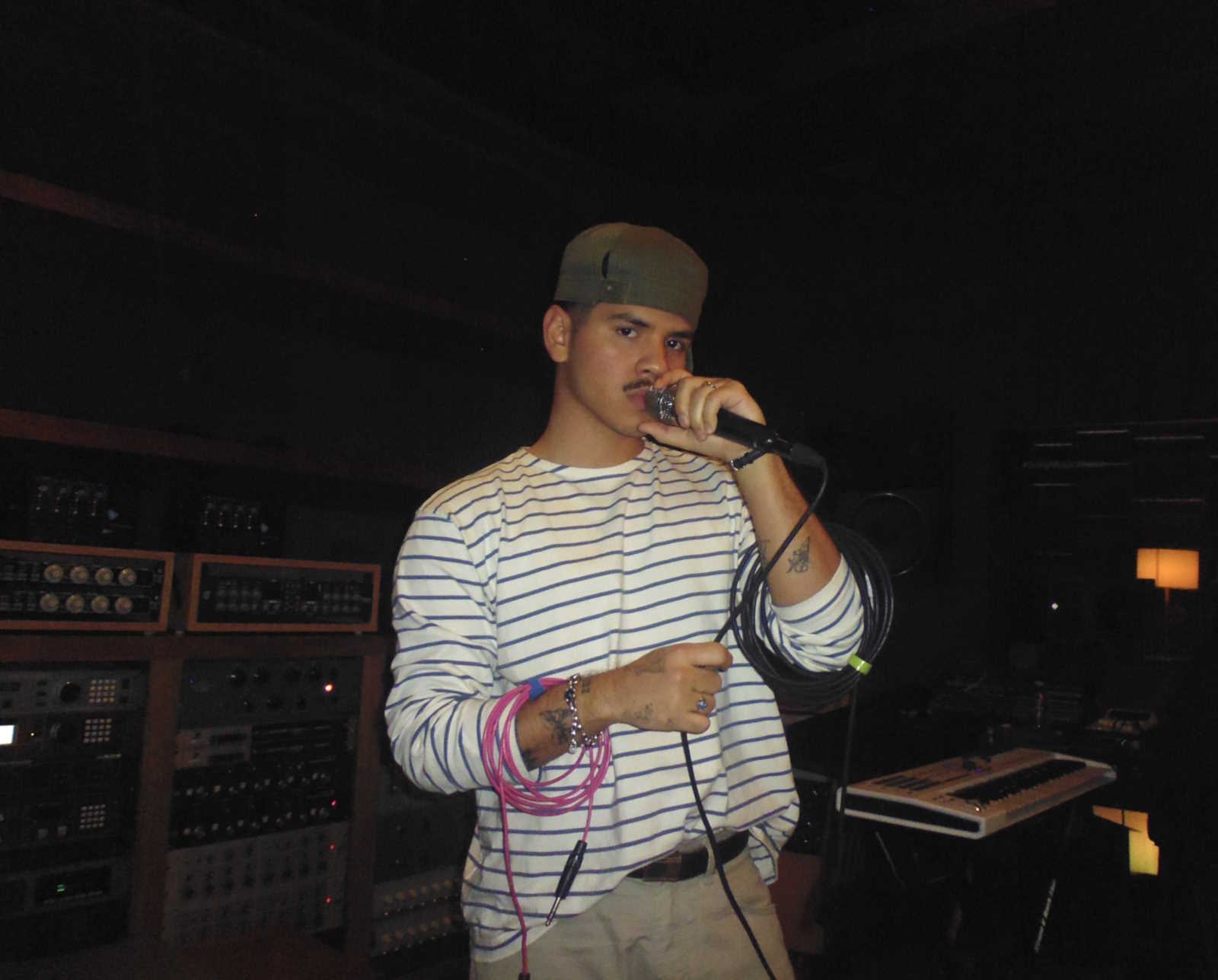
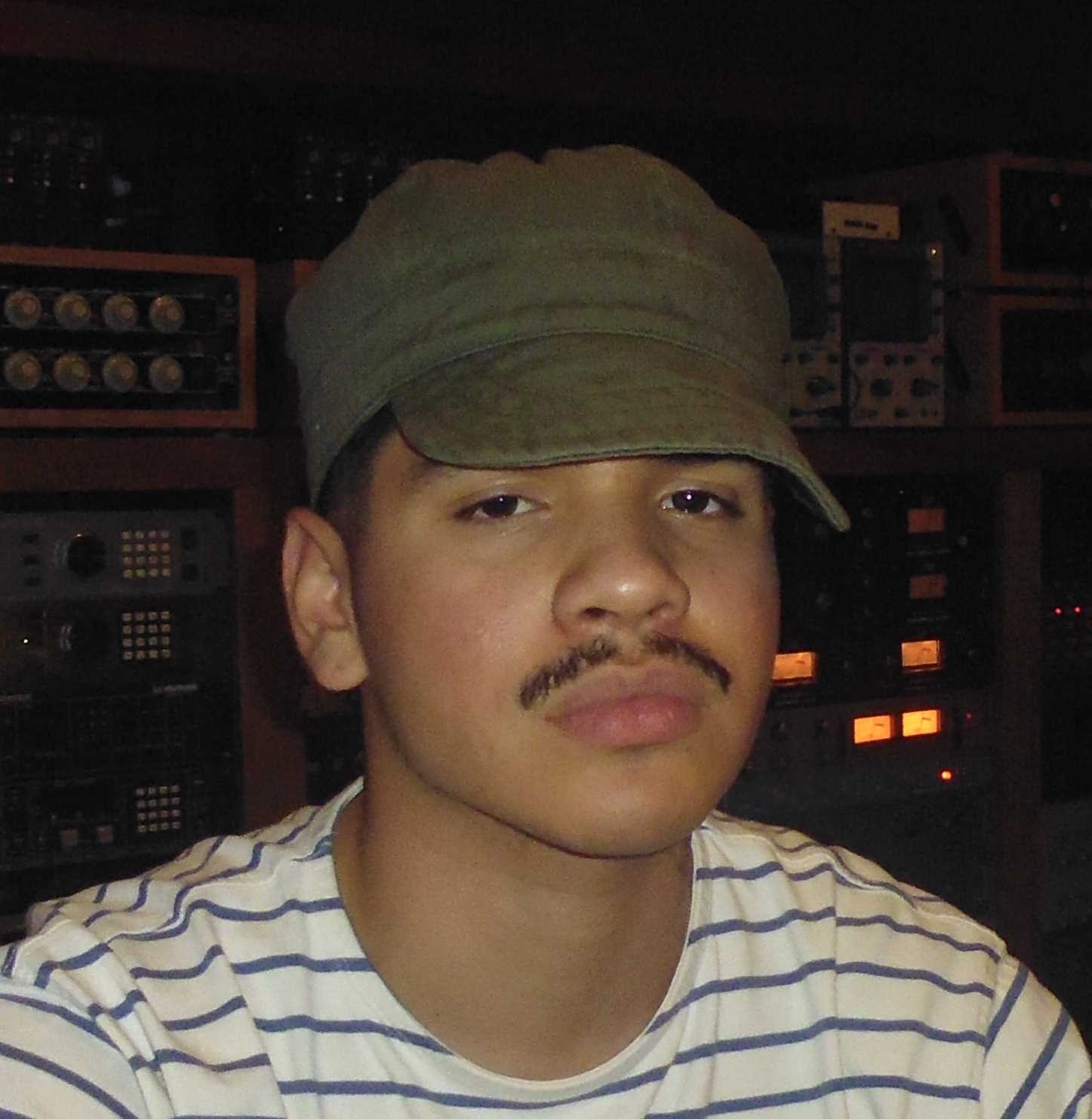
Promotional image of Andry Kiddos. He is standing. The background is dark. He is holding a microphone. He is wearing an olive green cap and wearing a long-sleeve white shirt with dark horizontal stripes.

image credit: Joss Andreu

Andry Kiddos is Becoming a Latin Alt-Pop Phenomenon

As Kiddos continues recording music for his album, he is also pushing beyond the limits of Latin pop. With the feel-good “119,” he taps into a more rock-leaning sound reminiscent of 2000s music. Then there’s the anthemic “Los Mismos,” where Kiddos pulls out the electric guitar to sing about being one call away. His dream collaborations also reflect his genre-defying spirit, including Argentina’s Milo J, Chile’s Akriila, and Mexico’s Nsqk.
Though Kiddos’ Latin alt-pop music is shaped by his global perspective, he hasn’t forgotten where it all began. “I have a sound I’m really proud of, and I’m proud of my roots and the place where it all started,” Kiddos says. “[My sound] grew as I traveled to different places, but the seed was planted back home. I want to champion being one of the artists representing Venezuelan alternative pop.”

Promotional image of Andry Kiddos. He is standing in front of a white background. He is wearing a short-sleeve white t-shirt and olive green cargo shorts.

image credit: Joss Andreu

Read Past Issues