
Are Tomato Tariffs Coming for Your Free Chips and Salsa? Here’s What’s Really Going On
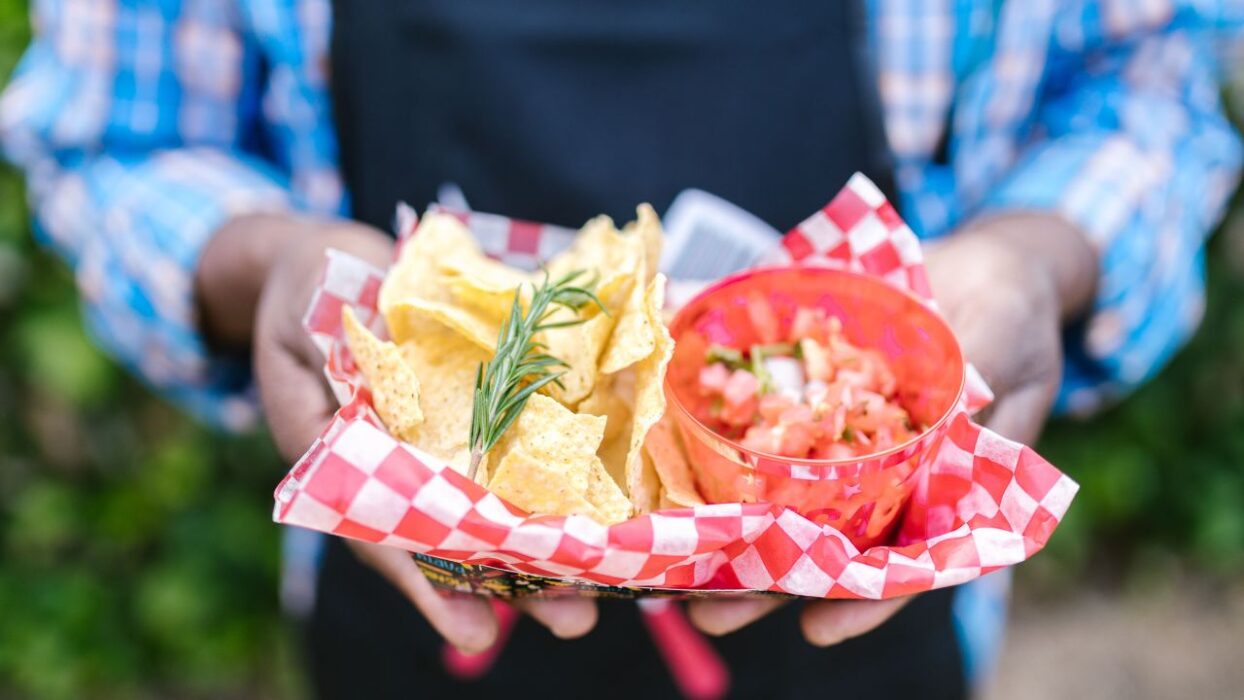
At Mexican and Tex-Mex restaurants across the U.S., a basket of warm tortilla chips and a bowl of salsa often arrive before anyone has looked at the menu. Some restaurants are finding that free starter harder to afford, according to a Texas produce industry leader. This follows a Trump administration tariff on Mexican tomatoes, poor harvests, and rising costs that pushed tomato prices to their highest level in about two decades, Houston Public Media reported.
“You have restaurants that are simply saying, ‘Look, I can’t afford to put salsa on the tables anymore,’” Dante Galeazzi, president of the Texas International Produce Association, told the station. “What are consumers going to do? Where are consumers going to find this relief?”
A 17% Duty Fell on the Tomatoes the U.S. Imports Most
In July 2025, the U.S. pulled out of a decades-old pact that set the terms for fresh Mexican tomatoes and placed a 17.09% antidumping duty on most of those imports, according to Salon. The Commerce Department argued that Mexican growers were selling tomatoes in the U.S. below fair value and that American farmers needed protection. USA Today reported that the administration presented the tariff as a way to boost production for American farmers, growers, and business owners.
Mexico is the dominant foreign supplier. Since 2015, it has accounted for about 90% of the fresh tomatoes the U.S. imports, a market worth more than $3 billion, according to an analysis by Texas A&M AgriLife.
At first, grocery stores and restaurants absorbed the extra cost rather than pass it on, Houston Public Media reported. Bad weather made it worse. Winter storms damaged Florida’s crop, and drought hit the October and November 2025 planting season in Sinaloa, one of Mexico’s key growing regions, according to a July report from the agricultural lender CoBank cited by USA Today. Galeazzi said a box of fresh tomatoes reached about $80. “We saw, as American consumers, that there was a point in late April and almost the entire month of May, where grocery stores were not carrying tomatoes,” he said.
Restaurants Held On Longer Because Diners Expect the Free Basket
Grocery stores raised prices first. Restaurants waited, largely because their customers count on free chips and salsa. But tomatoes are only one line on the bill. Overall food costs have climbed roughly 35% in two years, partly because of tariffs. In San Antonio, some restaurants spend five or even six figures a year just on what goes into their salsa, the San Antonio Business Journal found.
Kelsey Erickson Streufert, chief public affairs officer for the Texas Restaurant Association, said tomatoes are one more cost among many. “The challenge is for our Texas restaurants, they operate on very narrow profit margins in what I would call good economic times,” she said, “and right now we’re living in a time of very high costs on food, which is most restaurants’ biggest line item, but also labor, utilities, credit card swipe fees, insurance.”
Is Free Chips and Salsa Really Disappearing?
The question has reached Texas’ U.S. Senate race. On Oct. 3, Democrat James Talarico’s campaign said on Facebook that tariffs backed by his Republican opponent, Attorney General Ken Paxton, “could end free chips and salsa at restaurants.” USA Today checked the claim and answered: “Kind of.”
Some Texas restaurants do charge. Casa Rio in San Antonio lists chips and salsa for $2, although Tripadvisor reviews show it was charging by at least 2024, before the latest tariff concerns, USA Today reported. Texas Monthly found that Tres Arcos in San Antonio charges $3.95 unless the table spends at least $25 on food, that Habanero Cafe in Austin charges $5.25 a basket, and that De Nada Cantina charges $7.50 with free refills. Still, USA Today concluded there is “little evidence that restaurants are broadly eliminating complimentary chips and salsa specifically because of the tomato tariff.”
Prices are also coming down. Field-grown tomatoes averaged about $1.98 a pound nationally in August, down from about $2.69 in April, according to Bureau of Labor Statistics data. CoBank’s report blamed both the duty and the weather for the spike.
A Woman Born in Durango Helped Turn Misshapen Tortillas Into Chips
Salsa is far older than any restaurant basket. The Aztecs made sauces with tomatoes, chiles, and squash seeds, and a priest named Alonso de Molina is credited with calling it “salsa” in 1571, according to The Austin Chronicle. Salsa was common across the Southwest by the 1940s. Consumption rose sharply in the late 1980s and early 1990s, and the Chronicle reported that it eventually outsold condiments like ketchup.
The chip’s story runs through Los Angeles. Rebecca Webb Carranza, born in Durango, Mexico, in 1907, ran El Zarape Tortilla Factory with her husband in the city’s southwest, the Los Angeles Times reported in her 2006 obituary. El Zarape was among the first tortilla makers to use a machine, and early on many of its tortillas came out bent and were thrown away. In the late 1940s, Carranza fried triangles of those rejects for a family party. Her relatives loved them, and she began selling them for 10 cents a bag. By the 1960s, the chips had become the family’s main business. The tortilla industry later honored her as a pioneer of the commercial tortilla chip, although the Chronicle notes that tostadas were already being sold to restaurants in Southern California in the early 1900s.
In 2003, the Texas Legislature named chips and salsa the official state snack.
Chips and Salsa Became American Because of Mexico. Now They’re Caught in a Trade War With It
The basket on the table grew out of Mexican food traditions, and the work of Mexican-born cooks and entrepreneurs like Carranza, and the U.S. adopted it so completely that Texas made it a state symbol. The tariff, now raising costs, is part of President Trump’s trade war with Mexico, pursued by an administration that has also made a crackdown on immigrants central to its agenda.
The administration says the duty protects American farmers. Texas produce and restaurant industry leaders say restaurant kitchens are bearing the costs, and some restaurants are starting to pass them on to diners. “Almost everything that it takes to run a restaurant these days is significantly more expensive than it was a year or two ago,” Streufert said. The question is, who is really winning?